
Over the years, Toru has been fortunate to learn from educators who bring both deep experience and thoughtful reflection to their work.
Garry Foster hosted a Toru Trail at the Matahiwi Forest Garden in Wairarapa in 2024, sharing insights from decades of observing land, people, and systems. Garry has generously shared reflections from his work designing permaculture systems for others.
What follows is Garry’s own account of how he came to permaculture, what he has learned through practice, and the quieter lessons that emerge when design is treated as a collaborative, living process.
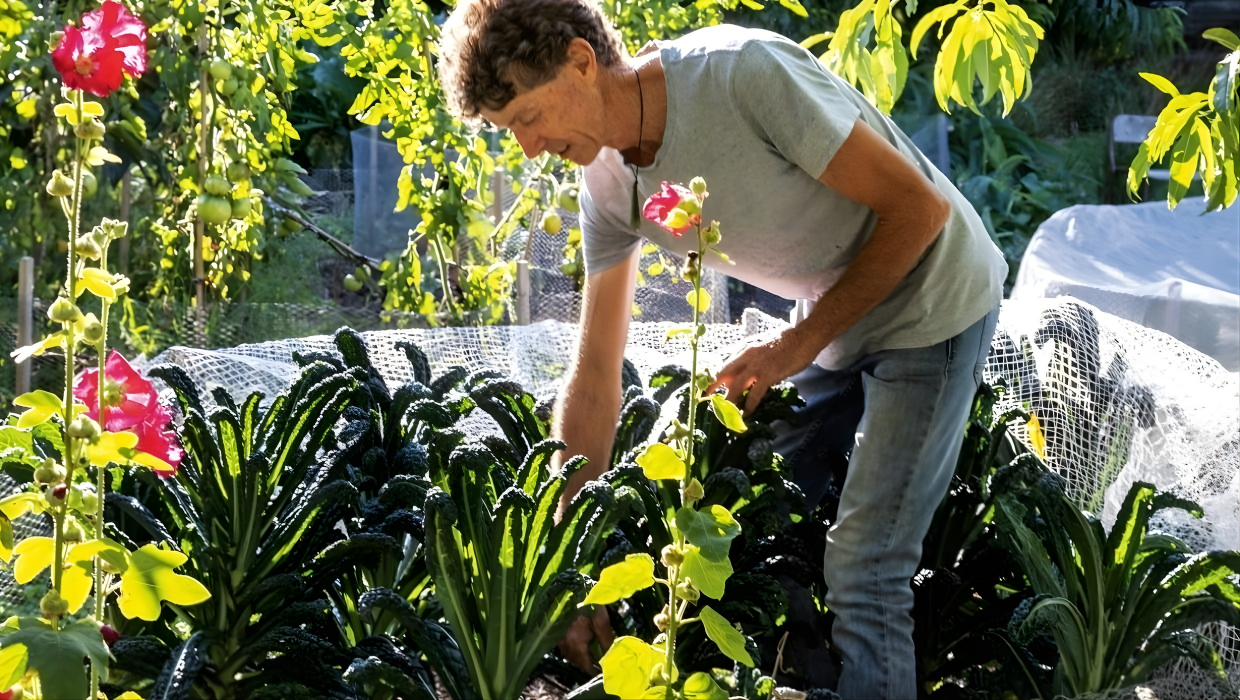
Harvesting cavolo nero beneath a peach tree. Photographer: Paul McCredie
As I was nearing the end of a long career with the Department of Conservation, I had learned a lot about New Zealand’s natural habitats, systems and processes and had observed that many of our environmental challenges came from our food production methods. It seemed to me that there was no reason why we could not produce high-quality food while at the same time creating a beautiful and flourishing natural environment. We want and need both to prosper, and it was that thought that drew me to permaculture.
About ten years ago, I did an on-site Permaculture Design Certificate at the Koanga Institute near Wairoa. It was such a great experience being fully immersed in permaculture thinking for 12 straight days with a lovely group of people from around NZ. Mind-expanding stuff.
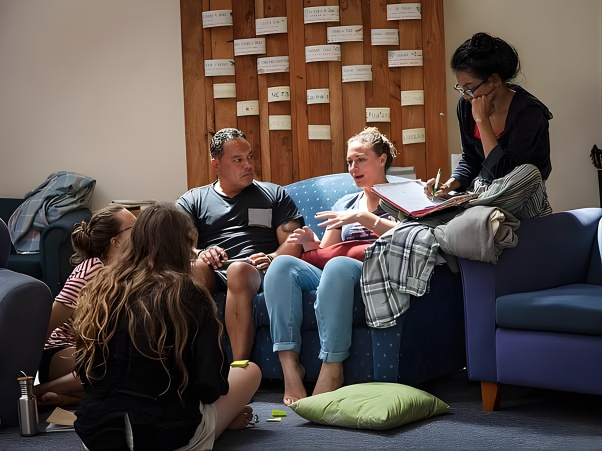
After I retired from DOC, I started a little one-man business doing permaculture plans, installing permaculture gardens, and running them. It was supposed to be a little retirement project, but I enjoyed it so much that I dove right in.
Working with landowners to produce a plan is creative and rewarding, but it also comes with challenges. Here are a few things I’ve learned along the way:
Develop a standard client interview form with questions that are designed to understand their vision, goals, ethics, principles, ethos, interests, wants, needs, priorities, skills, resources, challenges, etc.
Include questions that help you determine the natural values of the site (forests, wetlands, water supply, soil quality, aspect, prevailing wind direction, local weather conditions, supportive people) and any challenges it may have (e.g. buried cable, potential for flooding or slips, weather extremes, covenants etc).
Always sit down with both partners together (if you are working with a couple) when you do the initial client interview. We all want to be on the same page from the start.
Do an initial site visit just to daydream. No measuring, no testing, just take it all in and get a feel for the space. Subsequent site visits are for getting the details.
Get a half payment up front, then a final payment after delivering the final plan.
Present a rough draft halfway through the process so you can get feedback and ensure the client likes the direction you are heading, and to see if they have any additional information or ideas.
Start your plan by obtaining an aerial photo of the site, complete with a north orientation arrow and a scale. Topo lines may also be useful. This ensures that your dimensions are accurate.
Take plenty of photos on your site visits.
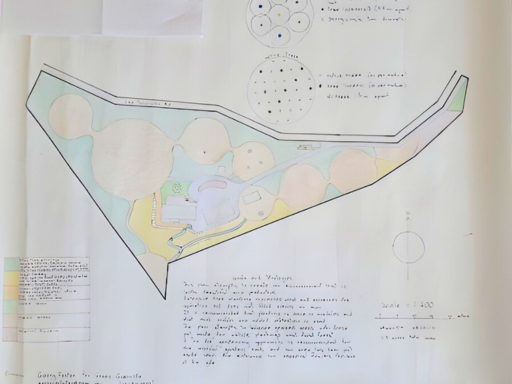
A hand-drawn permaculture design by Garry Foster. Early-stage sketches like these help ideas take shape through observation and dialogue.
An interesting part of the journey is getting to the point where you have enough confidence in your ability to produce a design of high enough quality that the client gets value for money, and you are paid a worthwhile amount for your skill and time. Do a permaculture design course, do your reading and practice producing plans for yourself and friends before you dive in and enjoy.
Garry Foster.
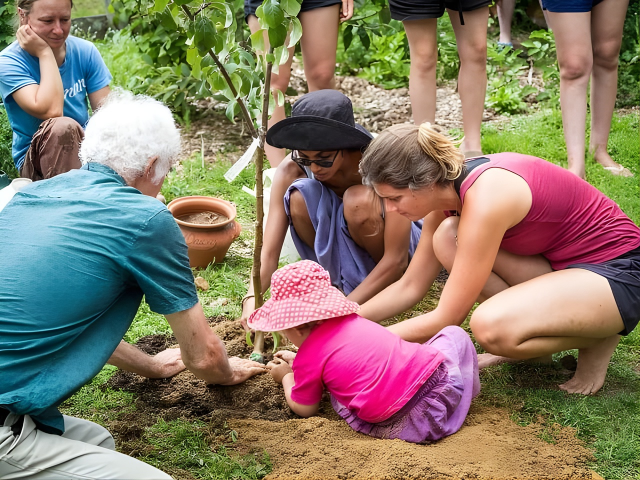
Garry’s reflections remind us that permaculture design is not just about technique, but about relationships. Relationships with land, with people, and with ourselves as practitioners.
We’re grateful to Garry for sharing these insights and for the learning he has contributed to the Toru community.
- Log in to post comments