
Listening has always been an important part of how Toru works.
Late last year, trustee Loo suggested we take a more intentional step in this direction by undertaking a listening phase with our partner network. We are deeply grateful for the care and energy she brought to this process.
Over the following months, Loo spoke with partners, educators, growers, hosts, and community leaders across our region, gathering reflections on what has been working well, where the challenges lie, and where there may be energy and opportunity for the future.
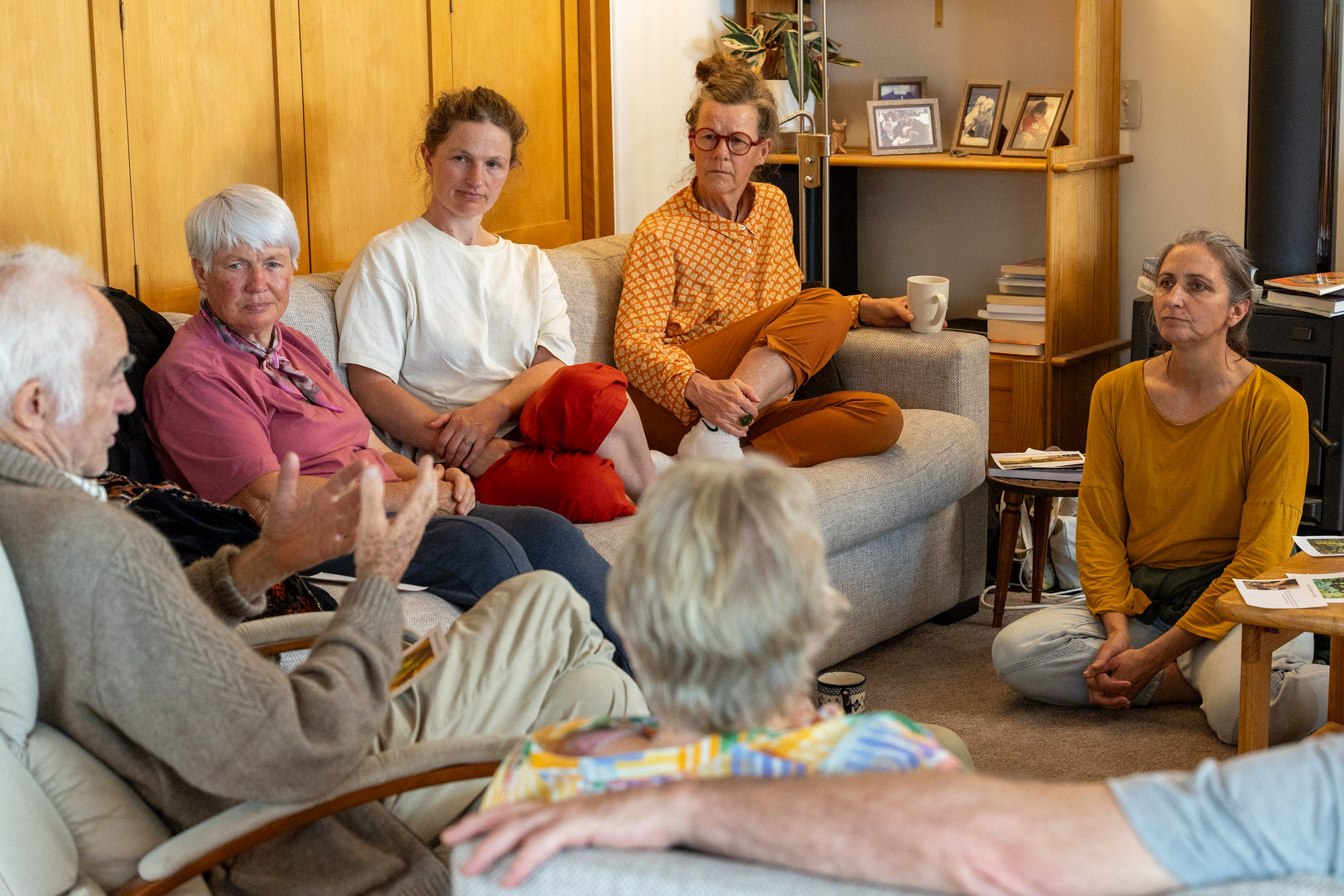
Photo captured by Bob Zuur - Moments of Light Photography
Her report was shared with the trustees in February and helped inform a recent Toru hui where we reflected together on what we are hearing and where Toru’s work may naturally evolve next.
What we heard
Many of the conversations carried a similar feeling.
People spoke about the need for stronger local connection. They wanted easier ways to know what is happening in their own area, more opportunities to collaborate, and more encouragement for the often quiet and demanding work of regeneration.
Several people said the newsletter is valuable, especially as a way of finding out what is happening in the region. At the same time, there was clear feedback that it could be shorter, easier to scan, and more locally relevant.
There was also strong enthusiasm for storytelling. People spoke about the importance of making local work more visible, uplifting the people already doing this mahi, and sharing practical examples of what is possible.
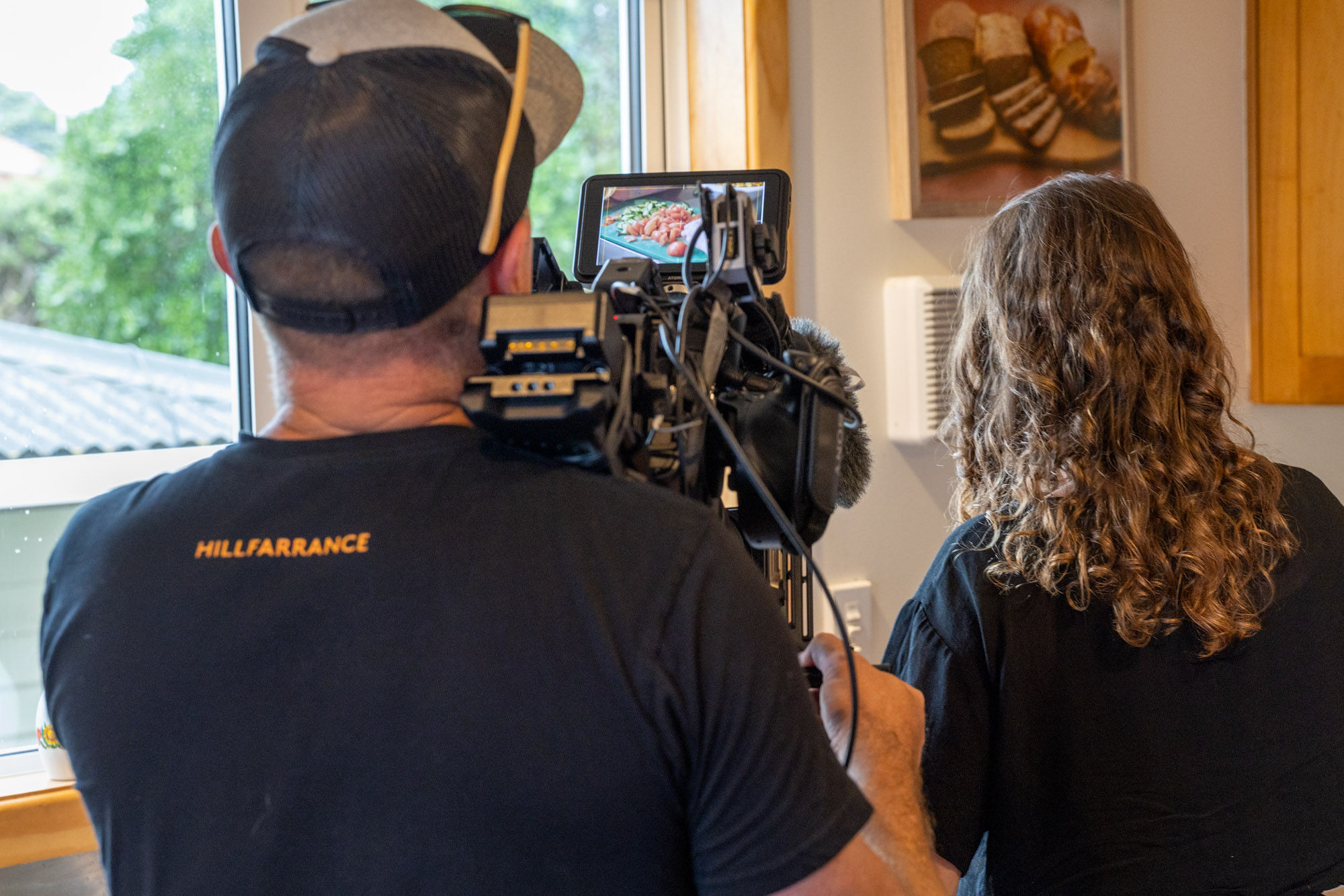
Photo captured by Bob Zuur - Moments of Light Photography
Again and again, we heard that Toru has a role to play as a champion for regenerative initiatives. Not by trying to do everything ourselves, but by helping connect, uplift, and make visible what is already alive.
Returning to the thread
When Doris first wrote about the vision for Toru in 2017, she imagined a community of lifelong learners supporting one another through shared experience and practical knowledge; teaching and learning from each other in ako style
The listening phase and our recent hui helped bring us back to that same thread.
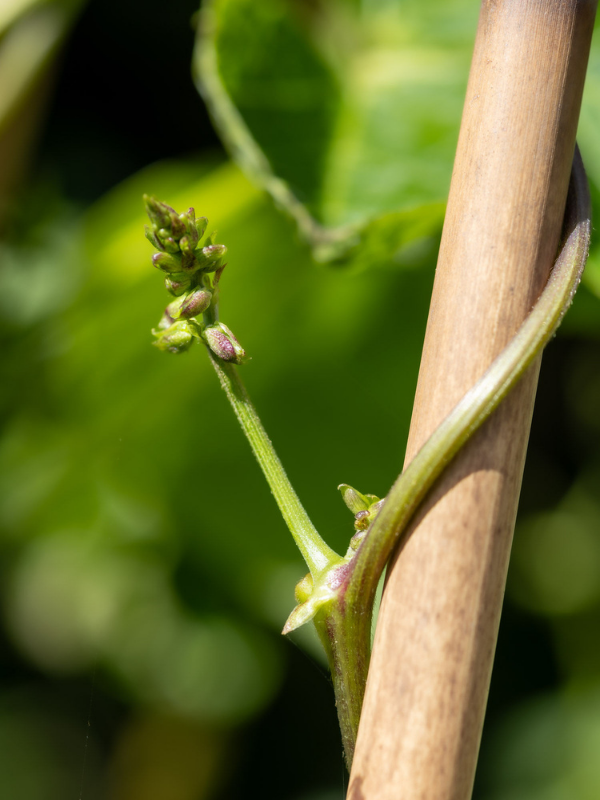
Photo captured by Bob Zuur - Moments of Light Photography
Rather than building something new from scratch, we are seeing Toru’s role more clearly as helping connect the threads that already exist. Sharing stories. Making local activity easier to discover. Supporting the exchange of skills, learning, and encouragement across the network.
One theme kept surfacing through these reflections. The movement is strongest when people are doing work they genuinely care about.
When people follow the work that brings them alive, that energy spreads. It lifts others, creates momentum, and strengthens the wider community.
For Toru, that means paying attention to where the needs of our community meet the energy and strengths of the people currently holding this work.
Thank you to our Toru Trail hosts
Over the past few years, Toru Trails have created many memorable learning journeys across our region.
Hosts generously opened their homes, gardens, farms, and community spaces. People came together to learn about forest gardens, coastal food growing, composting, regenerative farming, and many other practical ways of living more closely with place.
Just as importantly, they shared kai, asked questions, made connections, and spent time together in real places with real people.
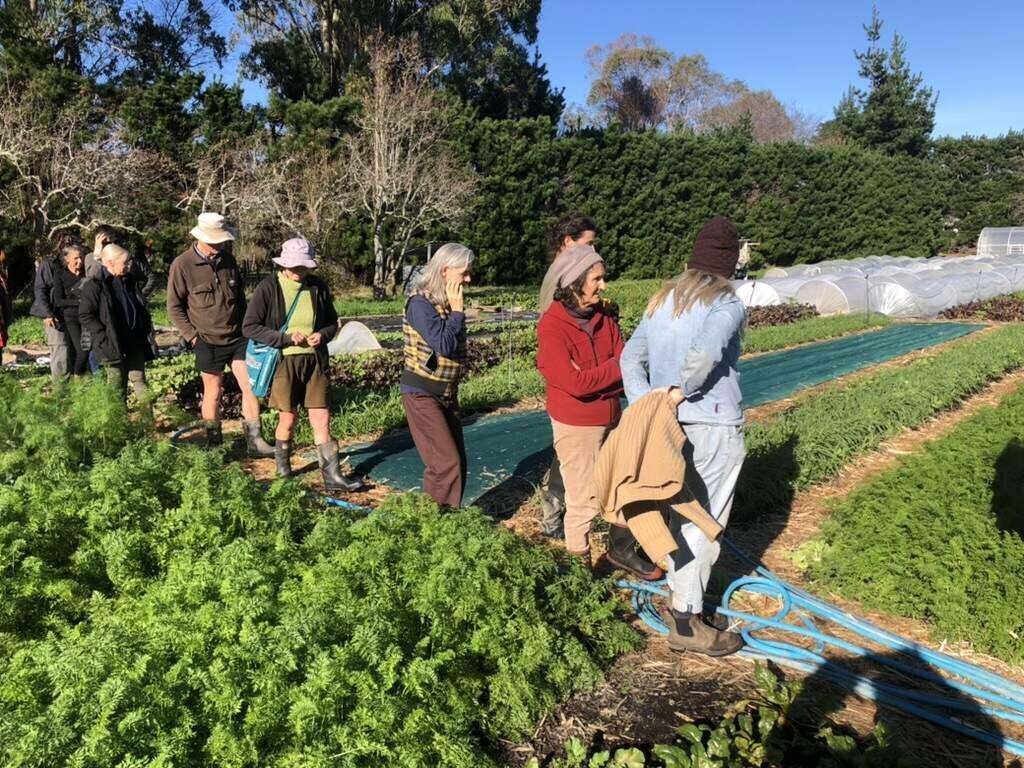
We want to offer a heartfelt thank you to everyone who hosted or attended a Toru Trail. These gatherings have shaped the community that now exists around Toru.
At the same time, the listening phase made clear that Toru Trails asked a lot of hosts and were not always meeting the deeper need for regular, local connection. For some, the energy and cost involved outweighed the value received. Others spoke about wanting something more local, more regular, and easier to participate in.
For now, we are gently closing this chapter.
The spirit of Toru Trails remains important to us. Learning from real places and real people will always sit at the heart of what Toru does. The format may evolve, but the intention remains the same.
Joy and responsibility
As we reflected on the listening phase, it became clear that Toru’s work needs to hold two things at once.
One is joy. Celebration. Creativity. The life-giving energy that comes when people are doing meaningful work in ways that feel aligned and generous.
The other is responsibility. Paying attention to the realities of the time we are in, and to the systems and relationships that sustain life.
Recent events in Wellington, including the failure of the Moa Point wastewater treatment plant and the release of untreated sewage along the south coast, have sharpened this awareness. Moments like this remind us how dependent we are on large infrastructure systems, and how important local knowledge and resilience can become when those systems falter.
For many years, Toru friend Matt Brenin has been demonstrating practical sanitation solutions such as compost toilets for emergency situations. Knowledge like this may seem humble or unglamorous, yet it forms part of the practical resilience communities may rely on when circumstances change.
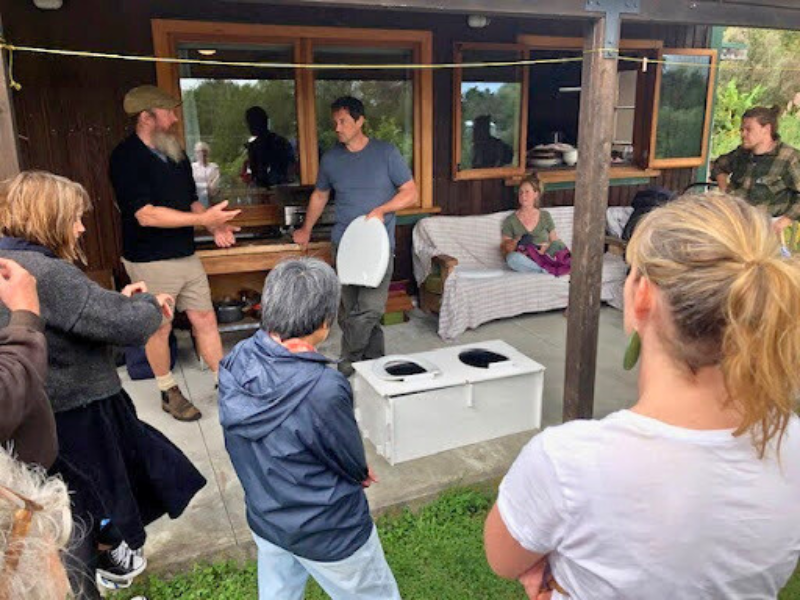
Holding both joy and responsibility feels like an important balance for this work.
Looking ahead
As we step into this next season, Toru’s energy appears to be gathering around a few key areas.
Storytelling
Sharing stories that uplift the movement, celebrate practical examples, and help make the invisible more visible.
Connection and visibility
Helping people discover local events, workshops, and initiatives, and making it easier to know what is happening across the region.
Championing regenerative action
Supporting and encouraging the people already doing this work, and helping strengthen the wider fabric of connection around them.
Exploring new forms of learning and gathering
Remaining open to lighter, more local, and more sustainable ways for people to share skills and learn together.
Like many regenerative processes, we expect this to unfold gradually through observation, conversation, and experimentation.
Walking together
Across our region, people are quietly restoring ecosystems, growing food, sharing knowledge, supporting whānau, and strengthening community resilience.
A lot of this work happens in small places. Gardens, farms, classrooms, kitchens, paddocks, workshops, community halls, and conversations between neighbours.
Toru exists to help make those threads a little more visible and connected.
We are grateful to be walking alongside this community.
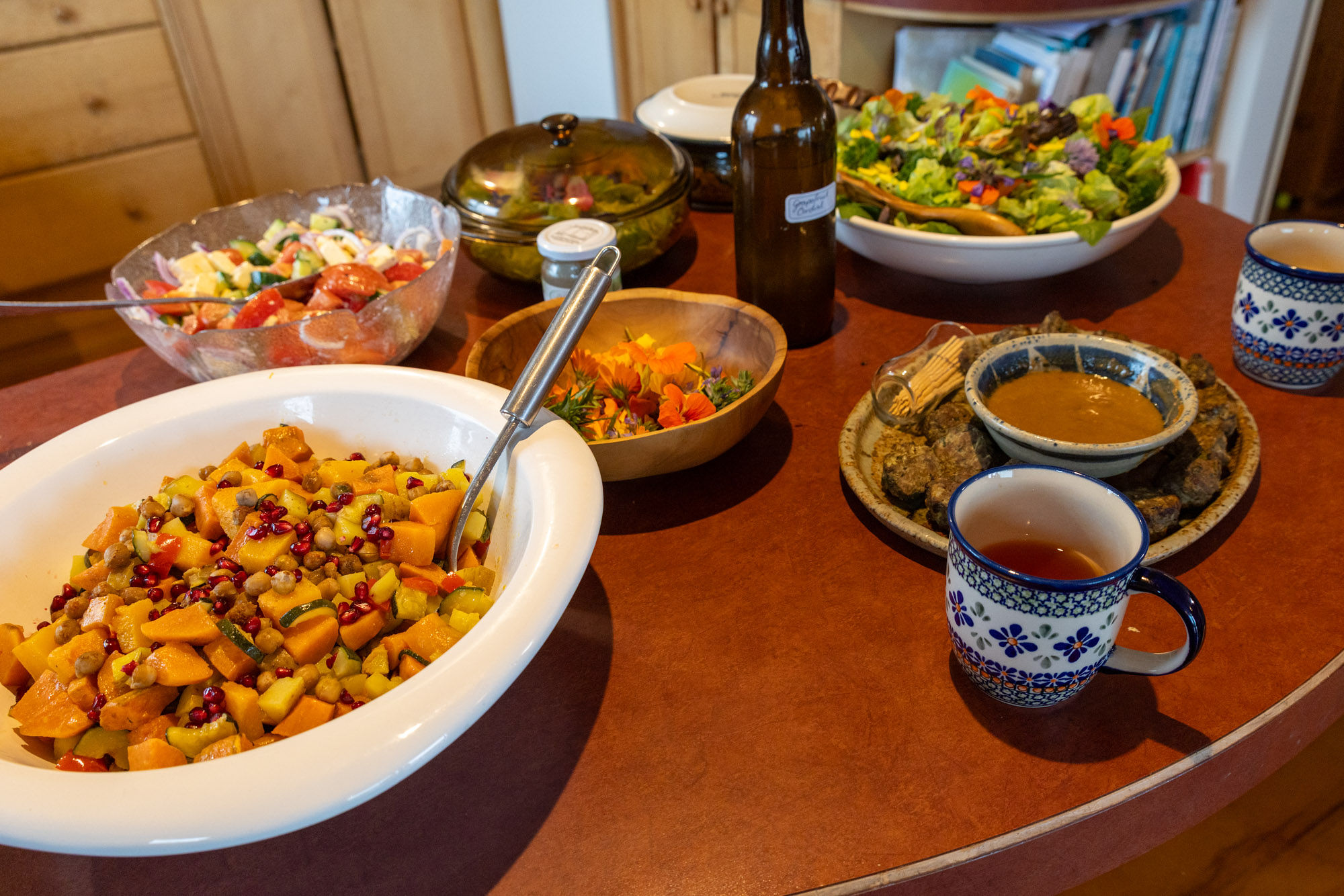
Photo captured by Bob Zuur - Moments of Light Photography
Emma Ellison
on behalf of the Toru Education Trust
- Log in to post comments